
Овьедо: Полный путеводитель по столице Астурии — от шедевров ЮНЕСКО до «улицы сидра»
1. Cathedral of San Salvador (Catedral de San Salvador)
Oviedo is a city that makes you fall in love at first sight. The famous director Woody Allen called it “fairytale, pure, and incredibly tranquil.” It’s a place where medieval legends meet modern gastronomy, and where over a hundred unique sculptures greet you on the streets instead of advertising.
In this guide, we’ve compiled the top 10 places that will help you see everything you need to know and not miss a thing.
Credits to Fernando |Wikimedia
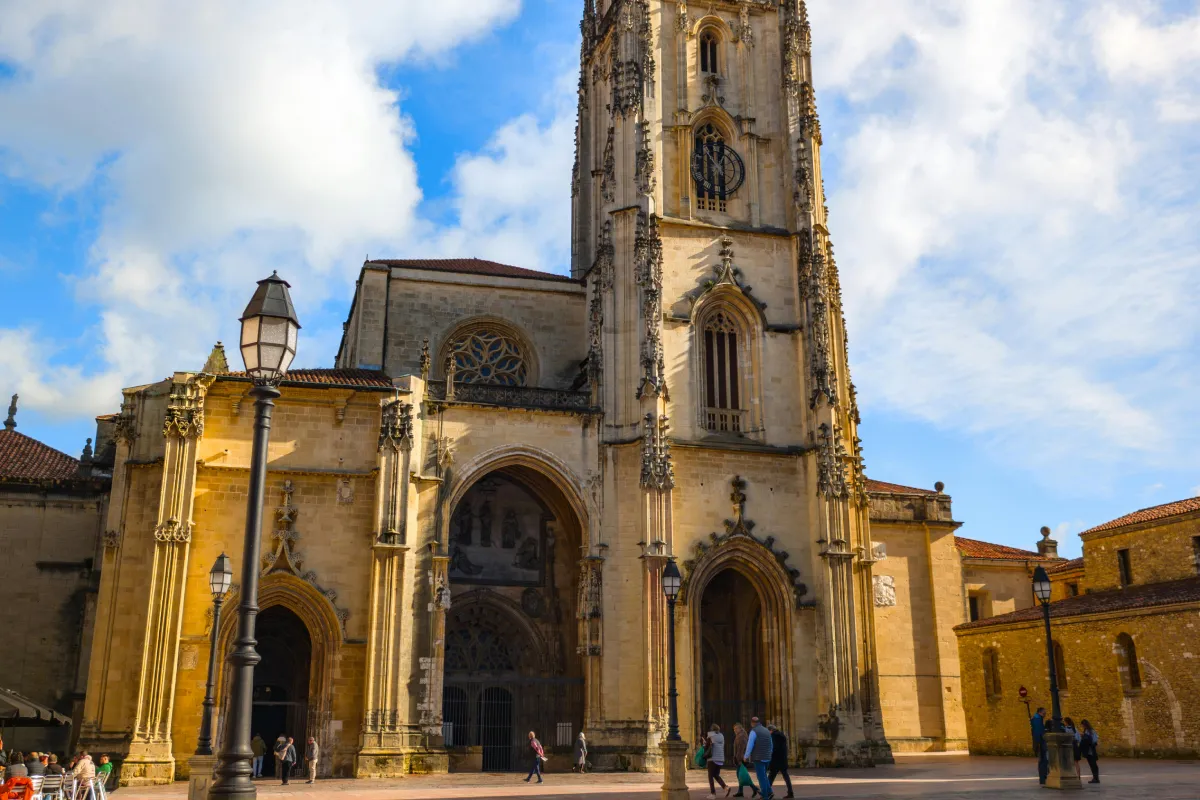
Photo by David Vives| Pexels
Credits to Jose Luis Cernadas Iglesias
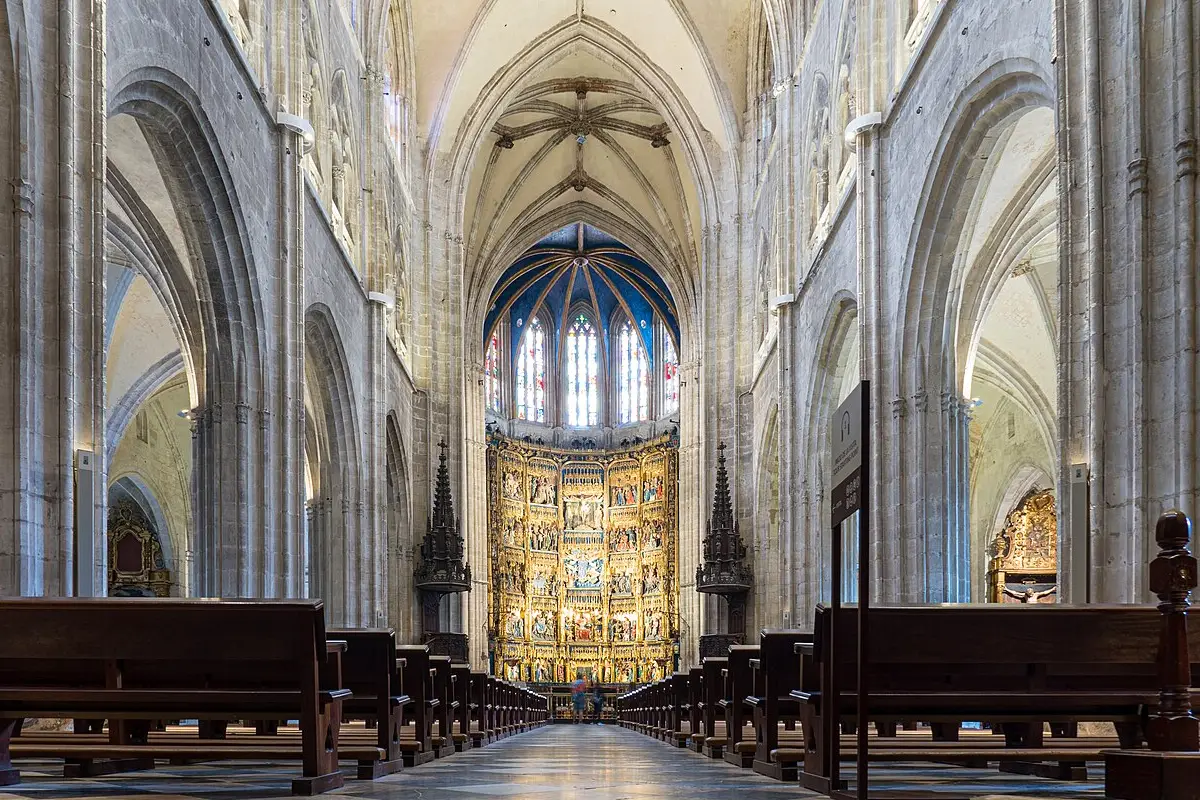
The Cathedral of San Salvador is not only Oviedo’s main church, but also the starting point of the world’s oldest pilgrimage route, the Camino Primitivo. This is the very first pilgrimage route in history. In 814, King Alfonso II of Asturias set out from Oviedo toward Santiago to confirm the authenticity of the relics discovered. He became the very first pilgrim and, arguably, the founder of the Camino de Santiago.
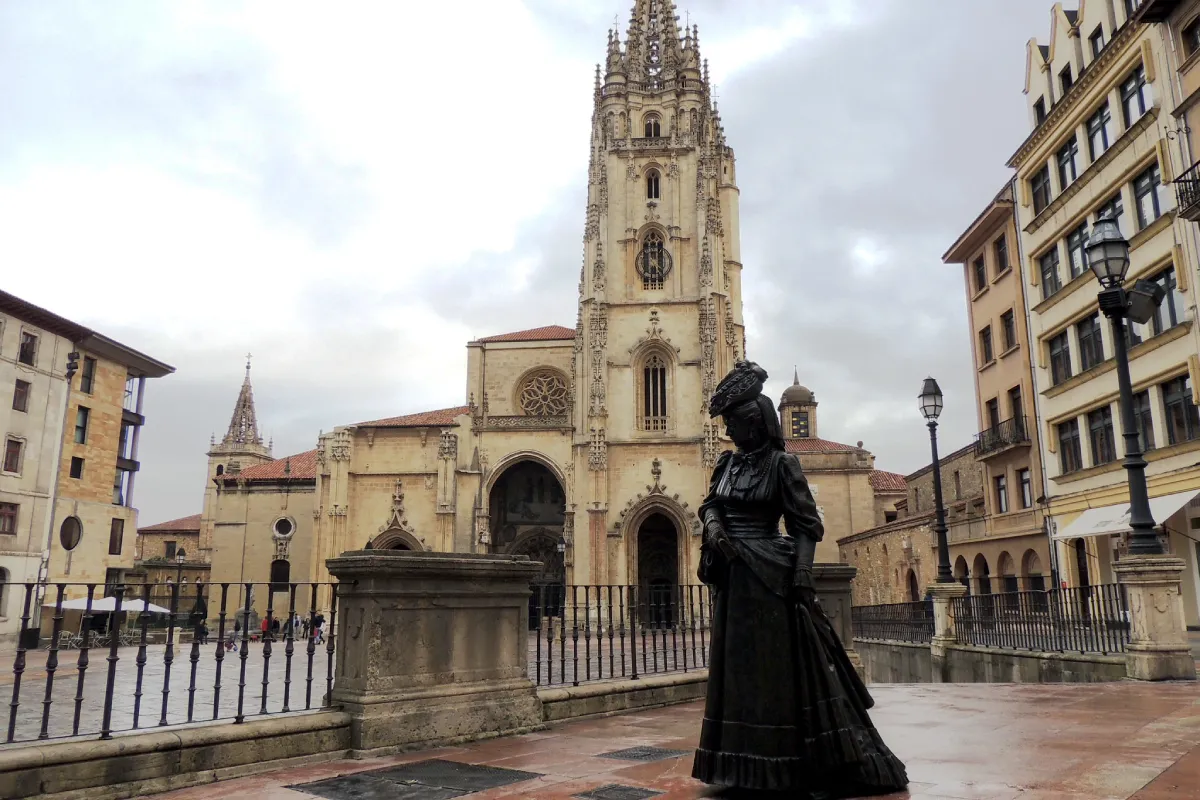
The cathedral’s distinctive feature is its tall tower, which has become the city’s signature feature and doesn’t even fit in the photo in our article. Inside the cathedral is one of Spain’s most important Christian relics, the Ark of the Holy Sepulchres (Cámara Santa), a UNESCO World Heritage Site. The Cross of Victory (Cruz de la Victoria) and the Cross of the Angels (Cruz de los Ángeles) are also kept here. Be sure to visit the main altar; it is one of the most beautiful in Spain, with stunning detailed carvings.
The cathedral is best visited on a sunny day, when the enormous stained-glass windows create a stunning play of color, especially striking against the gray stone vaults. And if you’re a pilgrim, don’t forget to get your passport stamped here! ¡Buen Camino!
- Plaza Alfonso II el Casto s/n 33003 Oviedo (Asturias)
2. Pre-Romanesque churches on Mount Naranko
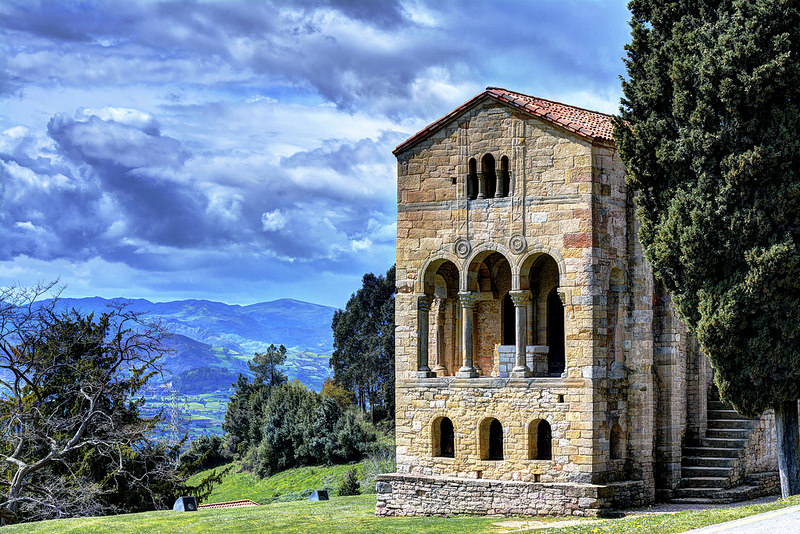
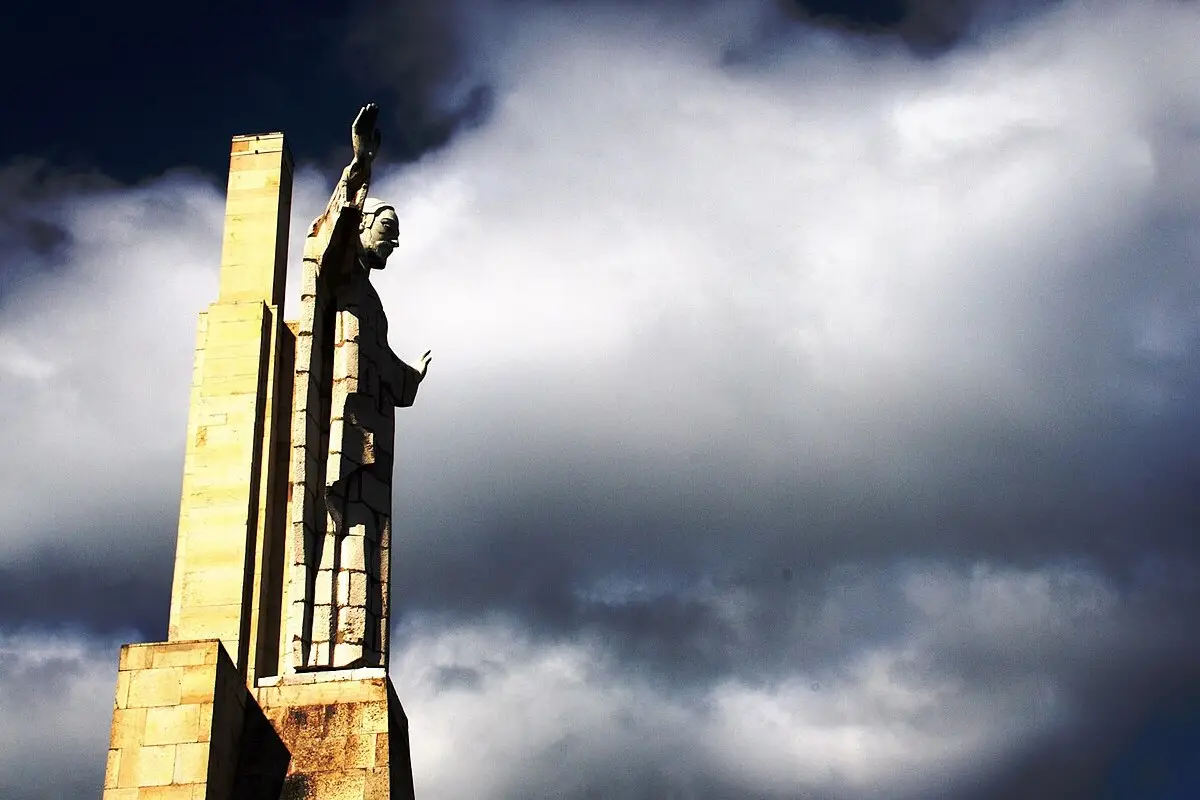
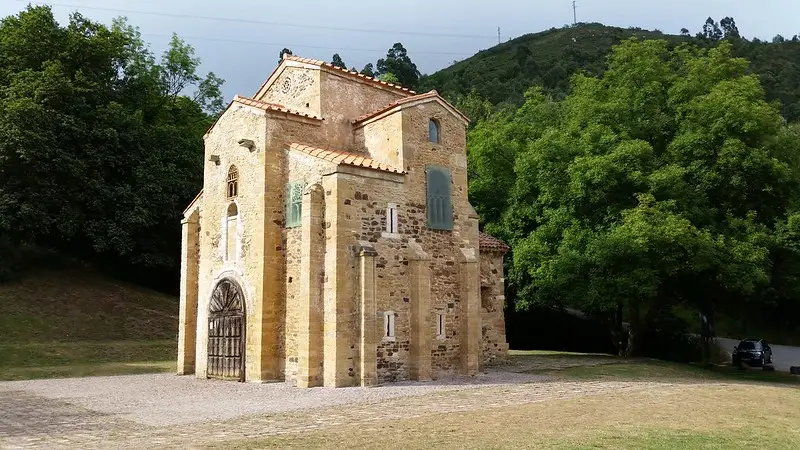


Monte Naranco is a natural viewpoint offering panoramic views of Oviedo, located just 4 km from the city center. At the summit, you can find a statue of Jesus, similar to the one in Rio de Janeiro. But most importantly, it preserves unique 9th-century churches, listed as UNESCO World Heritage Sites:
Santa María del Naranco – built in 842 as a royal palace. The building was later converted into a church and is today considered one of the most significant early medieval structures in Europe.
San Miguel de Lillo: Located just 100 meters higher, this church served as the royal chapel. It is famous for its stone window grilles and unique carvings on the doorframes depicting circus games.
- Monte Naranco, s/n, 33012 Oviedo, Asturias